
Wildlife Corridors
We aim to connect existing wildlife areas and help improve existing areas.
Here are some of the projects that we've been working on:
Hedge Laying
Follow the link to learn about Hedge Laying and for photos of the hedges we've laid.
Deadwood
Deadwood is essential for a healthy woodland. The word "deadwood" is very misleading as it's essentially a living tree transformed into a home to multiple organisms eg. fungi and insects.


An ash tree had fallen a little further up the river in 2025 and we used part of it to create a bench at Holgate Meadow (near Thorp Arch Bridge) in Boston Spa. This bench incorporates sunken deadwood and a large section that can naturally be a host to insect larvae.


Footpath Repairs


Soil Erosion
We created a series of zigzag steps in May 2025 to help stop valuable top soil erosion in beech woodland along the riverside in Boston Spa. Top soil holds mycorrhizal fungi network essential to the running of an ancient woodland and its various lifeforms. This ancient woodland is home to a rare species of orchid (bird's-nest orchid) and protecting valuable soil would help its longevity.


Wildlife Meadows
See our blog on the creation of this wildflower border at Ceres Road in Wetherby.
Wildlife


What Can You Do?
- Rewild your garden - see Keith's blog.
- Make a nest box or have space for one - the RSPB has information on how to make your own bird box including information on starling boxes. See also Sara's and Georgina's blogs about their bird box projects and photos below of the bird boxes that Adrian made.
- Add a hole under/in your garden wall or fence for hedgehogs etc - see also our Hedgehog page and Mark's blog about rescuing a hedgehog.
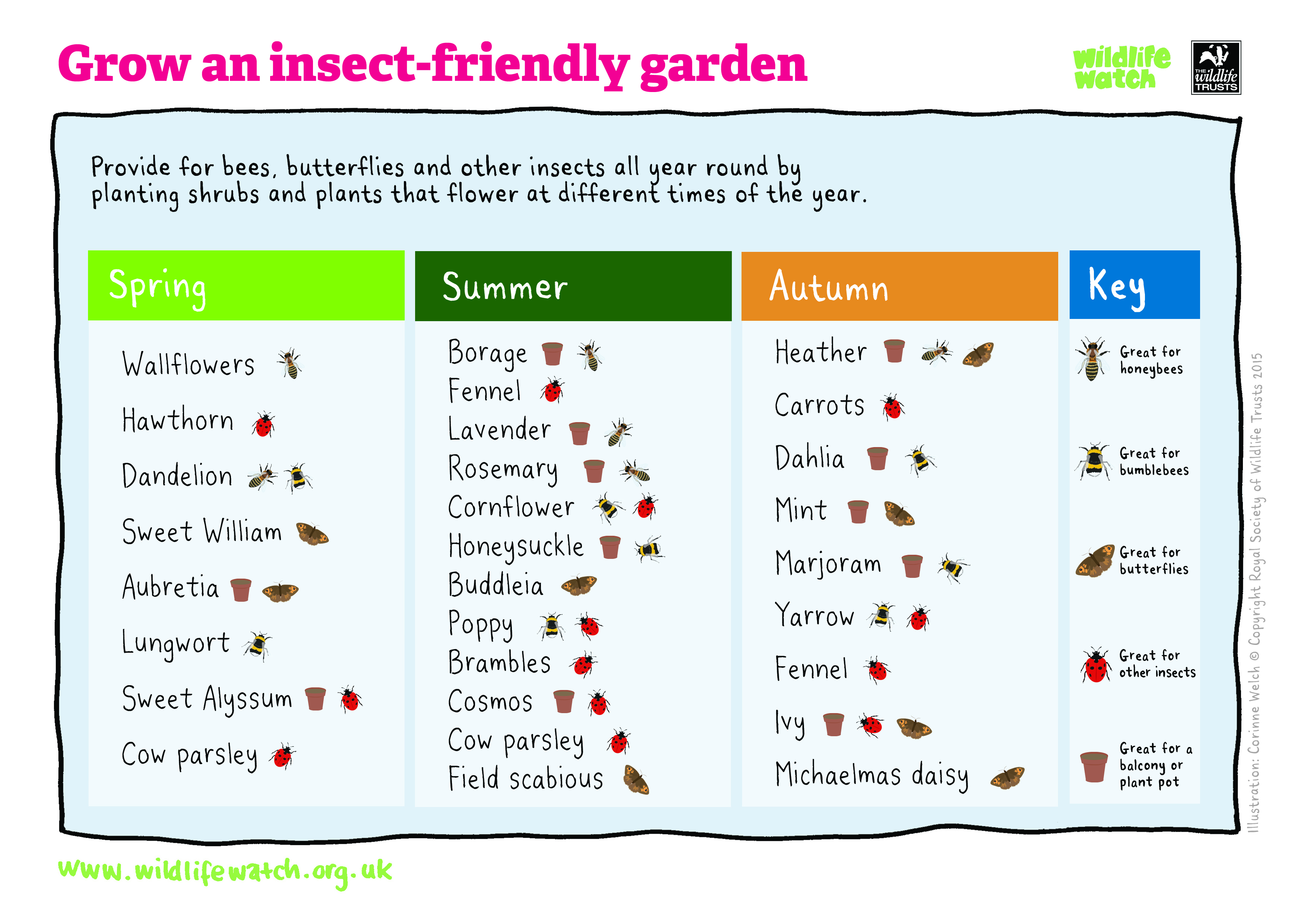
- Plant your garden with insect-friendly plants - The Pollinator Garden and Wildlife Trust are good links.
- Create safe lodging for frogs, toads and newts in your garden - see the RSPB's how-to guide.
- Provide a haven for insects in your garden - see the Wildlife Trust's Guide on Taking Action for Insects.
- Stop using slug pellets, especially as they are now banned in the UK - see Country Living's guide to dealing with slugs.
- Complain about peat-based compost - peat is a carbon store and should NOT be used.
- Use your pen (or fingers) - don't underestimate the power of a simple complaint. See Pen Power for our campaigns.

Please check other groups to see what you can do.